japanese pagoda tree pros and cons
The seeds might cause serious side effects. The seeds of the pagoda tree are POSSIBLY UNSAFE for most people when taken by mouth.

Styphnolobium Japonicum Pagoda Tree Buy Seeds At Rarepalmseeds Com
The wood is useful in construction.
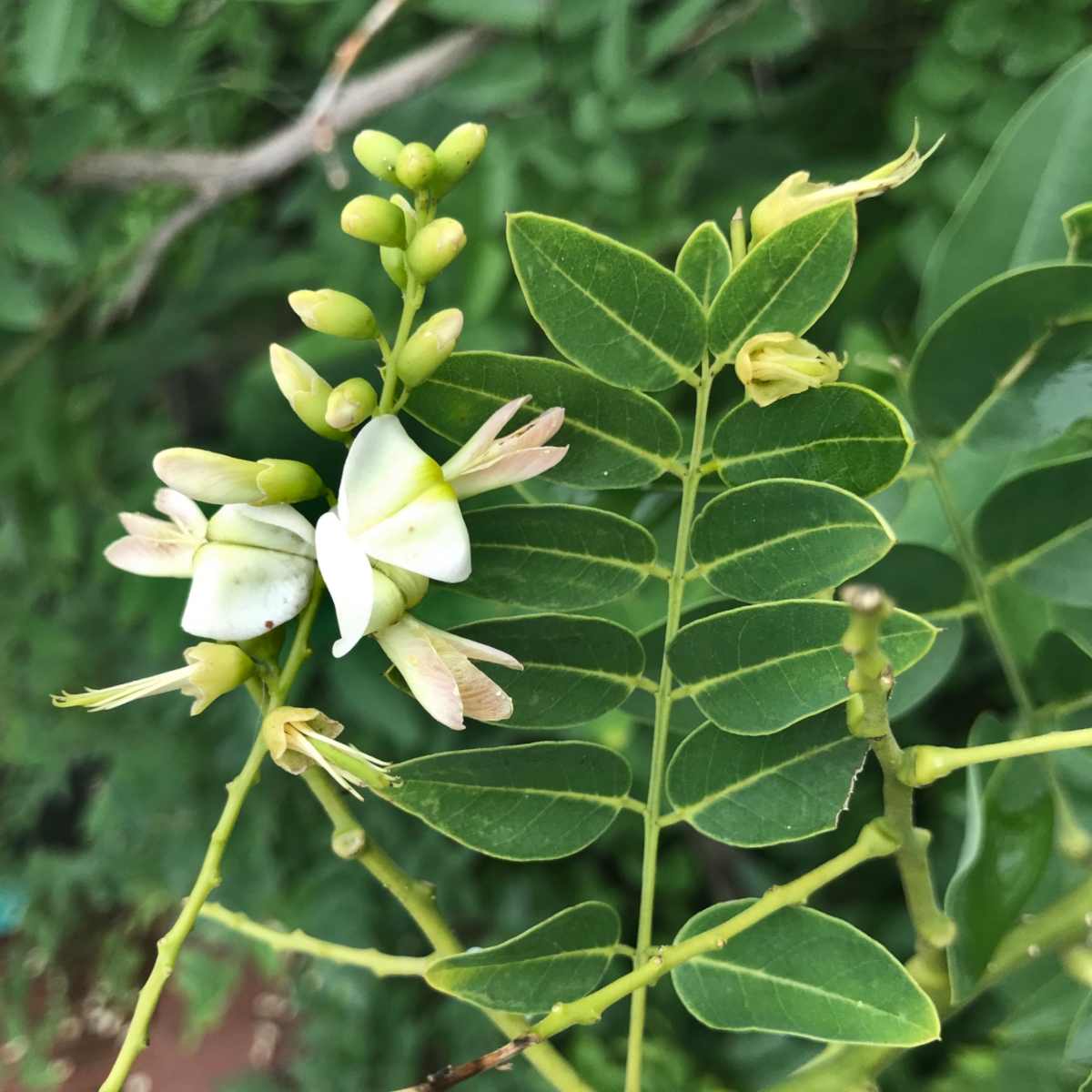
. Sophora Japonica Japanese Pagoda Tree Scholar Tree Pfaf Plant Database No report of Salivary gland pain is found in people who take Japanese pagoda-tree. Sophora japonica--Chinese Scholar Tree Japanese Pagoda Tree List of files and visuals associated with this text. The pagoda tree is one of the official trees of Beijing China and is part of some significant Chinese legends.
Pros and cons of historic districts. East Experiment Station East side. See it on the map.
The trees compound leaves which range from 6 to 10 inches in length contain 7 to 17 ovate dark. After this the tree flowers profusly and the fragrant flowers are a favorite of honeybees. These plants do best when positioned in well-draining soil.
The Pagoda Tree blooms during July and August a time of year when few flowers are. Japanese Pagodatree Fruit. It usually grows 25 to 35 feet tall but can sometimes reach heights of up to 100 feet.
Japanese Pagoda Heritage Tree. It grows up to 20 M. The plant is important in traditional medicine and its leaves and flowers are edible.
Special Precautions and Warnings. Pagoda plants prefer acidic soils with a pH in the range of 55 to 60. The dried flowers and buds of the pagoda tree are used as a medicinal herb in China Japan and Korea to treat bleeding hemorrhoids and hematemesis.
The Pagoda Tree has a broad form that can reach 70 though 40 to 50 is more commonThe Japanese Pagoda Tree has a juvinile growth period that lasts several years. In addition to landscaping the pagoda tree s flowers have medicinal qualities. Ad Let Us Find The Right Trees for Your Needs.
Questions about Pagoda Tree asked by other gardeners. Japanese Pagodatree Flower. The seeds of the pagoda tree are POSSIBLY UNSAFE for most people when taken by mouth.
The seeds might cause serious side effects. Best used for High Blood Pressure. And the tree is cultivated as an ornamental in many places.
This ornamental tree is native to China Korea and Vietnam. For decades the Japanese pagoda tree has been widely planted near temples and shrines in eastern Asia. But pagoda tree seeds are possibly unsafe for most people.
How to protect your old house after youre gone. Its a low-branching dwarf tree with a delicate weeping form thats sun-tolerant in cooler regions and best in a bright dappled shade setting elsewhere. Japanese blueberry tree pros and cons.
The seeds of the pagoda tree are POSSIBLY UNSAFE for most people when taken by mouth. No Obligation Free Quotes. A tendency common between trees bred for aesthetic enjoyment.
Some identifying characteristics are its oval leaflets gray-brown bark and shiny green twigs. Trees do best in areas with full sun or partial shade and moderate amounts of water. This seems more appropriate since the tree is native to China and not Japan.
The yellowish white flowers about. Wonderful for use as a container specimen. The Japanese pagoda tree grows 1223 metres about 4075 feet tall and features alternate compound leaves with 7 to 17 leaflets.
They prefer moist soils especially during the growing season but it wont fare well if the soil is boggy. Join Us -Sign up to get all the latest gardening tips. The seeds might cause serious side effects including facial swelling or death.
Hand Picked High Quality Trees That Come With Our 30 Day Alive Thrive Guarantee. Japanese Pagodatree Fruit is cold in nature. While some parts of the pagoda tree are edible the peas are toxic and should not be consumed.
Guaranteed Healthy Fast Growing. If you would like more pagoda tree information click on this article. The Japanese pagoda tree is often called the Chinese scholar tree.
This tree is also a source of rutin an anti-inflammatory and antioxidant chemical. The wood of pagoda tree is weak. It grows in a tropical climate.
The Japanese pagoda tree is often grown as a shade tree in lawns or on patios however flowers and seedpods often leave stains on pavement. FYI Red Dragon Japanese Maple is reported to be more heat tolerant but is a slower grower. Japanese Pagodatree is a tree.
Best used for High Blood Pressure. The Japanese Pagoda Tree likes full sun rich well-drained soil and moderate watering but once established its a hardy specimen that tolerates urban conditions well and requires little maintenance. The seeds might cause serious side effects.
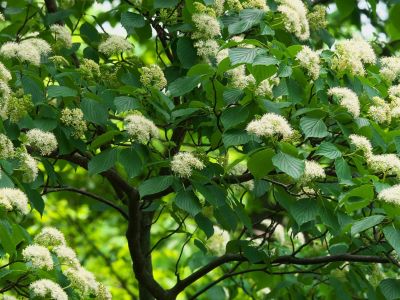
Pagoda Dogwood Information What Are Pagoda Dogwood Growing Conditions
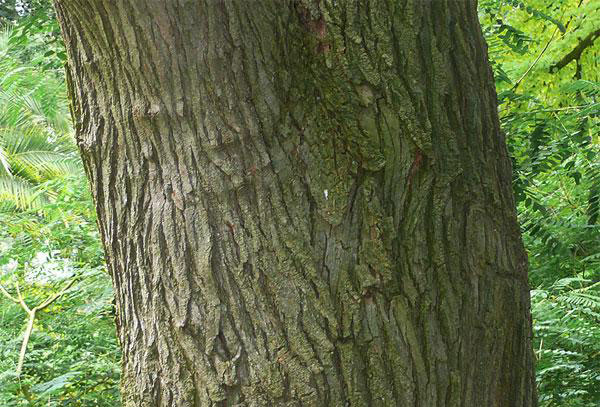
Pagoda Tree Facts And Health Benefits
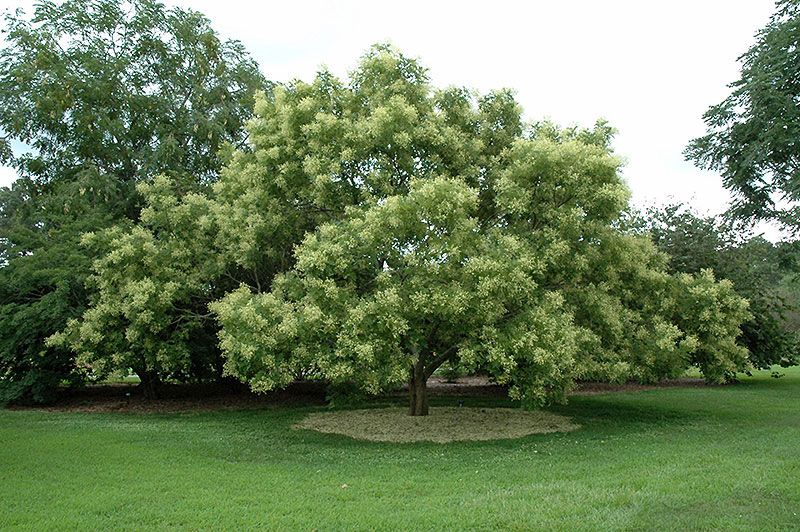
Pagoda Tree Facts And Health Benefits
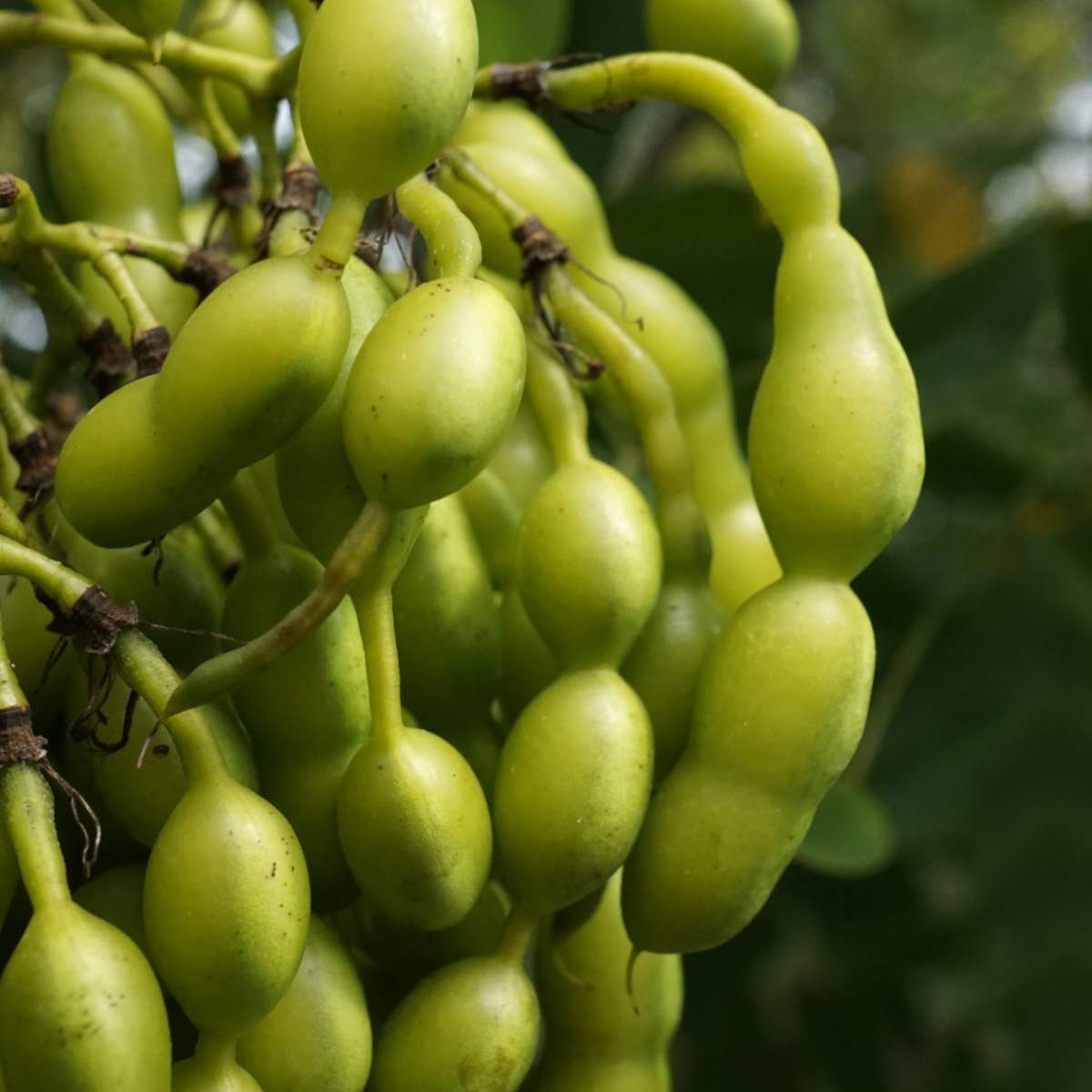
Japanese Pagoda Tree An Elegant And Airy Slow Growing Giant For Parks
:max_bytes(150000):strip_icc()/japanese-pagoda-tree-care-5186863-06-ea23bcea86d74cdd998d083e1da1f11e.jpg)
Japanese Pagoda Tree Care And Growing Guide
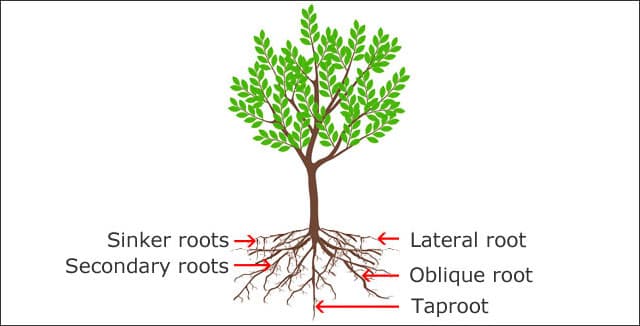
Tree Roots Trees With The Strongest And Deepest Roots
:max_bytes(150000):strip_icc()/japanese-pagoda-tree-care-5186863-04-eea66be4d0454af08c590e51a6e51aca.jpg)
Japanese Pagoda Tree Care And Growing Guide
Japanese Pagoda Tree An Elegant And Airy Slow Growing Giant For Parks

Learn About Pros And Cons Of Planting Maple Trees Maple Tree Maple Tree Landscape Trees To Plant
/japanese-pagoda-tree-care-5186863-hero-b959bcf0d99349dcaef36a3b9e0cfeb0.jpg)
Japanese Pagoda Tree Care And Growing Guide
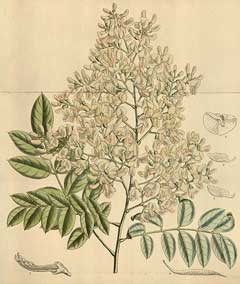
Sophora Japonica Japanese Pagoda Tree Scholar Tree Pfaf Plant Database
Sophora Japonica Japanese Pagoda Tree Scholar Tree Pfaf Plant Database
:max_bytes(150000):strip_icc()/japanese-pagoda-tree-care-5186863-02-40fc3009a3e544499b255f71c2f98b8a.jpg)
Japanese Pagoda Tree Care And Growing Guide

Pagoda Tree Facts And Health Benefits
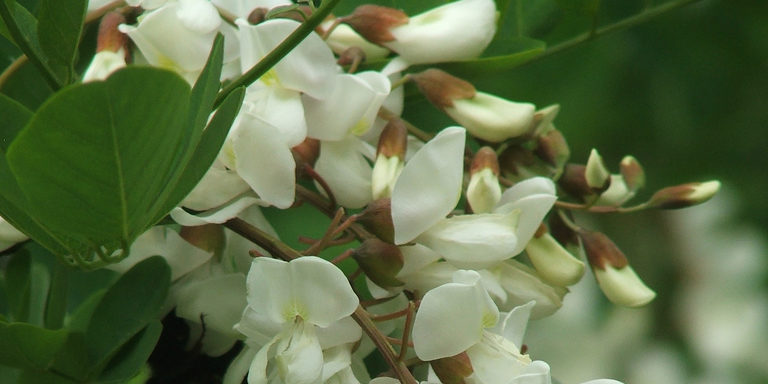
Tree Of The Month Japanese Pagoda Tree Casey Trees
:max_bytes(150000):strip_icc()/japanese-pagoda-tree-care-5186863-07-678db2e12f964f979141917e3892ee54.jpg)
Japanese Pagoda Tree Care And Growing Guide

What Is Sophora Japonica Learn About Japanese Pagoda Tree Care

Pin On Arboles
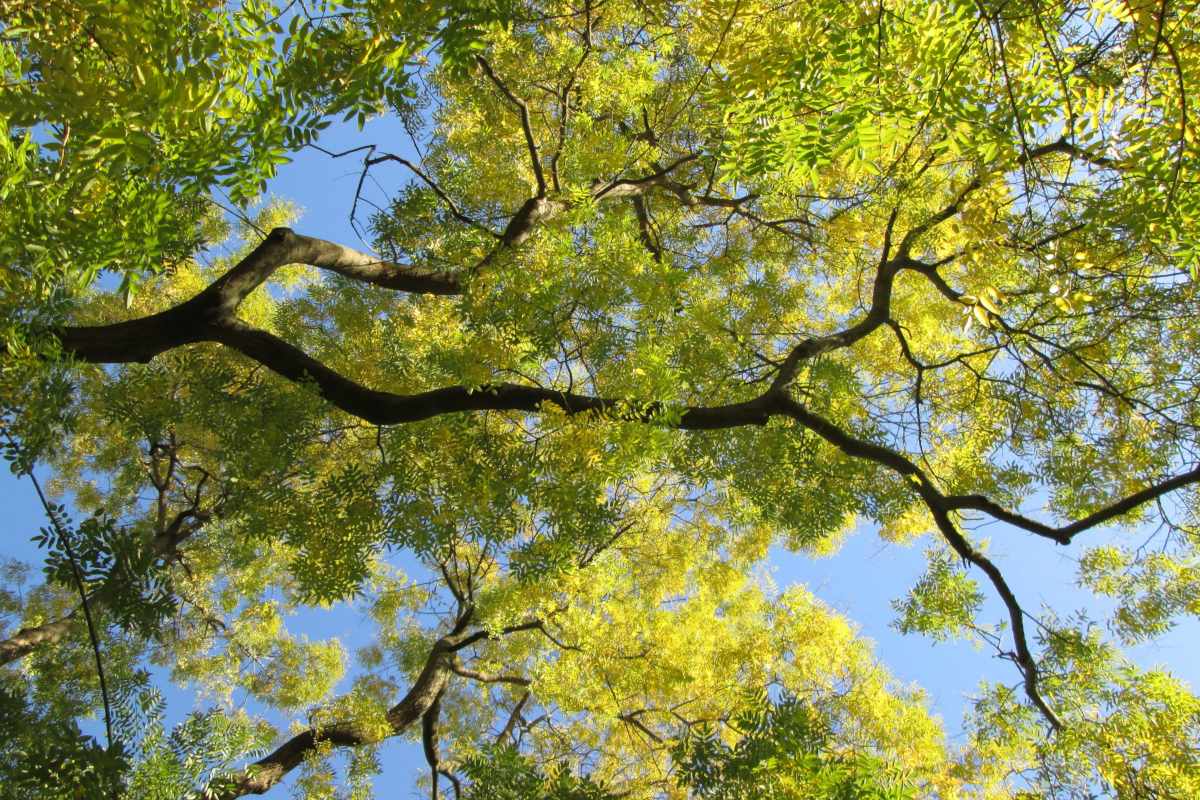
Japanese Pagoda Tree An Elegant And Airy Slow Growing Giant For Parks
